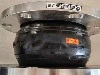
In a piping system, the rubber expansion joint is probably the least impressive-looking component - and the most underestimated. It looks like a rubber cylinder with flanges on both ends. Soft, simple, slide it into the pipeline and you're done. For a lot of people on site, the deepest impression they have of it is probably just "easy to install."
But anyone who's actually spent time in a pump room or dealt with pipeline failures will tell you something different.
A project had a rubber expansion joint installed near the pump discharge. Less than six months into operation, cracks appeared at the joint and water started seeping through. When they took it apart, the rubber surface had gone hard and brittle - zero elasticity left. Turned out it wasn't a product quality issue. The alignment on that discharge pipe section was off, and the expansion joint had been working under constant forced deflection the whole time. Rubber fatigue accumulates way faster than you'd expect under those conditions. Put a new one in without fixing the alignment? The same problem will come right back.
This tells you something pretty simple: the value of a rubber expansion joint isn't about how "soft" it is - it's about how much force it absorbs that rigid fittings shouldn't have to deal with in the first place.
And it absorbs a lot. Pump vibration, pipe expansion and contraction from temperature changes, slight offset between flanges, even the sudden shock of water hammer - if all that energy went straight into rigid piping and the pump body, something's going to give sooner or later. The rubber expansion joint's job is to eat that force so the rest of the system doesn't have to.
TIANYI SUNS rubber expansion joints aren't complicated in structure: rubber body, reinforcement layers, flanges. But a few details decide whether it can actually do the job. Rubber material selection is the first gate. EPDM handles weather and aging well - good for water systems and outdoor conditions. NBR resists oil, so it won't swell up in oil-bearing media. Need higher temperature or stronger corrosion resistance? There are other options. Pick the wrong material and even the best structure won't save you.
Reinforcement layers are the second gate. A good expansion joint has fabric or steel wire reinforcement built into the rubber body, and those layers extend into the flange bead at both ends, locking into the flange groove. The purpose is straightforward: when the pipeline is under pressure, the body won't get pulled out of the flanges. Sounds like a small design detail, but without it, you've got a real risk under high pressure.
And here's something that gets overlooked a lot: restraint devices. For large-diameter, high-pressure applications, or expansion joints near pump discharges, if there's no anti-pullout rod assembly, a pressure surge beyond expectations can over-stretch the rubber body - best case it deforms and fails, worst case it tears right through. The restraint rods aren't expensive, but they're the difference between an expansion joint that lasts five years and one that lasts five months.
In terms of where these things actually shine - it's not the most visible spots. They're most useful at pump inlets and outlets, AHU connections, fire pump rooms, wastewater aeration piping. What do those places have in common? The vibration source is right there, pipe alignment is rarely perfect, and when something goes wrong, downtime is expensive. The expansion joint's job in these spots is to use its own elasticity to absorb the unavoidable deviation and vibration, so none of it transfers to the pump body or pipe welds.
After years of making piping components, one thing TIANYI SUNS has learned is this: when customers buy a rubber expansion joint, they're not really buying the rubber part itself. They're buying "fewer failures in the piping system." So we focus on two things: material that matches the application, and structure that holds up under pressure. Sizes from DN32 to DN3000, flange standards to DIN, ANSI, JIS, BS - all available. Pressure ratings from PN10 to PN25. These look like standard specs, but behind each one is a real set of site conditions from actual projects.
One last honest note. Rubber expansion joints are one of the few components in a piping system that will outright tell on you if you installed them wrong. Bolts not tightened in a diagonal sequence, flanges not aligned, restraint rods not adjusted properly - run it for a while and the rubber's condition will write the answer right on its surface. So it's a pretty honest part: treat the installation seriously, and it quietly does its job. Cut corners, and it takes early retirement.
TIANYI SUNS rubber expansion joints won't claim to solve every piping problem out there. But at least it won't be the weak link that turns your pump room into a waterfall.
For specific specifications, material selection, or samples, just reach out to the TIANYI SUNS sales team.