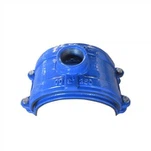
A saddle clamp, also known as a pipe clamp or tube clamp, is a mechanical device designed to securely hold pipes, tubes, or other cylindrical objects in place. Its functionality and versatility make it an essential component across various industries, from plumbing and automotive to industrial manufacturing and construction.
The basic structure of a saddle clamp typically consists of a U-shaped saddle, which conforms to the curvature of the object being secured, and a bolt-and-nut assembly. When tightened, the bolt draws the two ends of the saddle together, applying pressure around the circumference of the pipe or tube. This creates a firm grip that prevents movement, vibration, or displacement, ensuring stability and safety in different applications.
One of the key advantages of saddle clamps is their adaptability. They come in a wide range of sizes, materials, and designs to accommodate different pipe diameters and operating conditions. For instance, in plumbing systems, smaller saddle clamps made from corrosion-resistant materials like stainless steel or brass are used to hold water pipes firmly in place, preventing leaks caused by movement. In the automotive industry, heavy-duty saddle clamps are employed to secure exhaust pipes, withstanding high temperatures and mechanical stress.
Installation of saddle clamps is relatively straightforward, requiring minimal tools and expertise. This ease of use not only saves time during initial setup but also simplifies maintenance and repair work. In the event of a pipe replacement or adjustment, the clamp can be quickly loosened, the necessary changes made, and then tightened again to restore the secure hold.
Saddle clamps also offer cost-effectiveness. Their simple yet efficient design reduces the need for complex and expensive fastening systems. Additionally, their durability ensures a long service life, minimizing the frequency of replacements and associated costs.
However, proper selection and usage of saddle clamps are crucial. Factors such as the type of material, the required clamping force, and the environmental conditions must be carefully considered. Using an inappropriate saddle clamp can lead to issues like insufficient grip, which may cause pipes to shift or even detach, potentially resulting in leaks, system failures, or safety hazards.
In a word, saddle clamps are indispensable in numerous applications due to their versatility, ease of installation, and cost-effectiveness. Their ability to provide a reliable and secure hold for pipes and tubes makes them a fundamental part of many mechanical and structural systems, contributing to the overall functionality and safety of various industries.